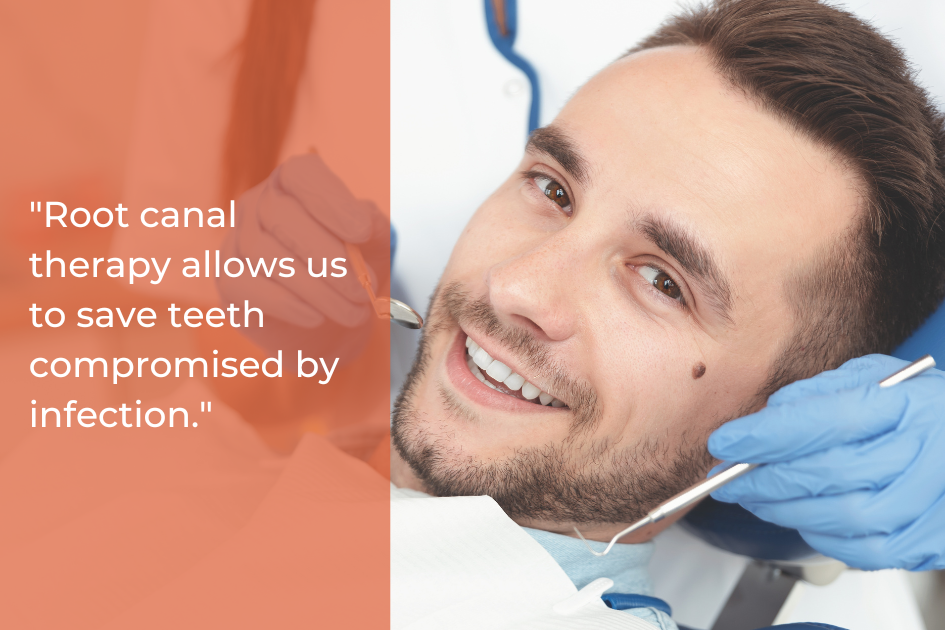
When we diagnose, treat, and restore a tooth with root canal therapy, we focus on precision, preservation, and patient comfort. At Family Dental of Teravista, root canal therapy allows us to save teeth compromised by infection or trauma using evidence-based protocols and advanced materials. By understanding the intricacies of this procedure, we can address both immediate pain and long-term oral health. Let’s explore what sets this treatment apart and why it remains a cornerstone of restorative dentistry.
What Is a Root Canal?
A root canal is a precise endodontic procedure that removes infected or damaged pulp from inside a tooth, allowing us to preserve the natural structure and prevent extraction. During root canal therapy, we access the tooth’s interior, meticulously clean and shape the root canals, and remove all traces of infected pulp.
We then fill the cleaned canals with gutta-percha, a biocompatible material, to seal and protect the site. To restore full function and aesthetics, we typically place a dental crown over the treated tooth. This endodontic treatment effectively relieves tooth pain and prevents further infection, ensuring long-term oral health.
Signs You Might Need Root Canal Treatment
How do we recognize when a tooth needs root canal therapy?
Clinically, severe pain during chewing or when applying pressure often signals pulp involvement. Persistent sensitivity to hot or cold, especially if it lingers after the stimulus is gone, suggests nerve compromise. Swelling or tenderness in the gums, sometimes with visible “pimples,” typically indicates infection requiring intervention. A tooth that appears discolored or darkened may have suffered pulp damage.
Deep decay or a history of repeated restorations also increases the risk of needing root canal treatment. Identifying these signs early helps us preserve natural teeth and prevent complications.
Step-by-Step Guide to the Root Canal Procedure
Before we initiate root canal therapy, we carefully evaluate the tooth using dental X-rays to determine the extent of infection or damage. Once we’ve confirmed the need for a root canal procedure, we administer local anesthesia for comfort and place a dental dam to isolate the tooth.
We then access the pulp chamber, remove the infected pulp, and meticulously clean and shape the root canals. After thorough disinfection, we fill the canals with gutta-percha to ensure a tight seal. Finally, we place a temporary filling to protect the tooth until a permanent crown or restoration can be completed.
Pain Management During and After Root Canal Therapy
During root canal therapy, we rely on local anesthesia to thoroughly numb the affected tooth and surrounding tissues, ensuring patients experience minimal to no pain throughout the procedure. Most discomfort associated with root canals is due to the initial infection, not the treatment itself.
Following the procedure, mild soreness or tenderness may occur, which we manage with over-the-counter pain relievers such as ibuprofen or acetaminophen. Occasionally, antibiotics are prescribed to prevent recurrent infection and support ideal recovery. We advise patients to avoid eating until full sensation returns, as the numbness typically persists for two to four hours.
Benefits of Choosing Root Canal Over Extraction
Once pain and infection are controlled, we must consider the long-term health and function of the tooth. Root canal treatment allows us to preserve the natural tooth, maintaining proper alignment, biting force, and aesthetics. By retaining the tooth, we help prevent jawbone loss and avoid shifting of adjacent teeth—outcomes often seen after extraction.
The cost is typically lower than extraction followed by an implant or bridge, making it a more economical solution for sustaining dental health. With a high success rate, root canal procedures eliminate infection and support a stable oral environment without compromising future dental integrity.
Potential Risks and Complications
Although root canal therapy is highly effective, certain risks and complications can arise. If the tooth isn’t thoroughly cleaned or sealed, persistent infection may occur, sometimes requiring retreatment or even extraction.
Cracked teeth or loose fillings can compromise the treatment’s success. Improperly placed crowns elevate the risk of reinfection, demanding corrective procedures. Occasionally, anatomical complexities or extensive damage hinder our ability to achieve complete decontamination, leading to procedural failure. Delaying treatment increases the risk of infection spreading to adjacent tissues, potentially causing abscesses and systemic complications.
Careful technique minimizes these risks.
Recovery Timeline and Post-Treatment Care
Because root canal therapy is a minimally invasive procedure, recovery is typically swift, with most of us resuming normal activities within a week. Immediately post-treatment, local anesthesia may cause numbness for several hours, so it’s best to avoid eating until sensation returns.
Mild discomfort is common, but over-the-counter pain relievers usually suffice. For ideal recovery, we should eat soft foods, refrain from chewing on the treated tooth, and maintain meticulous oral hygiene, including the use of antibacterial mouthwash.
It’s essential to return to our office for a follow-up, so a permanent crown can be placed, ensuring structural integrity and long-term post-treatment care for the tooth.
Tips to Prevent the Need for Root Canal Therapy
While root canal therapy is highly effective at saving compromised teeth, it’s far preferable to prevent the need for such intervention through targeted oral health practices.
We should prioritize good oral hygiene by brushing twice daily and flossing to minimize tooth decay and reduce the risk of pulp infections. Scheduling regular dental checkups enables early detection of cavities or cracked teeth, addressing issues before they escalate.
Promptly treating dental injuries or decay limits bacterial invasion of the pulp. Limiting sugary foods and using a mouthguard during sports or for bruxism further protect our teeth, helping us prevent pulp infections and avoid root canal therapy.
Modern Advances in Root Canal Therapy
As dental technology evolves, root canal therapy has benefited from significant innovations that enhance both clinical outcomes and patient experience.
We now utilize digital imaging technologies to achieve more accurate diagnoses and precise treatment planning. Rotary endodontic instruments allow us to clean and shape canals efficiently, reducing chair time and increasing success rates.
Advances in biocompatible filling materials, such as gutta-percha and resin-based sealers, offer superior sealing, minimizing reinfection risk. Improved anesthesia techniques and sedation options guarantee patient comfort throughout the procedure.
Looking ahead, regenerative endodontics holds promise for restoring natural pulp tissue, transforming the future of endodontic care.

Conclusion
Don’t let dental decay threaten your smile—choose root canal therapy with the experienced team at Family Dental of Teravista. We use advanced techniques and a compassionate approach to help you preserve your natural teeth with minimal stress. Take the first step toward long-term oral health—schedule your consultation with us today and let’s protect your smile together.