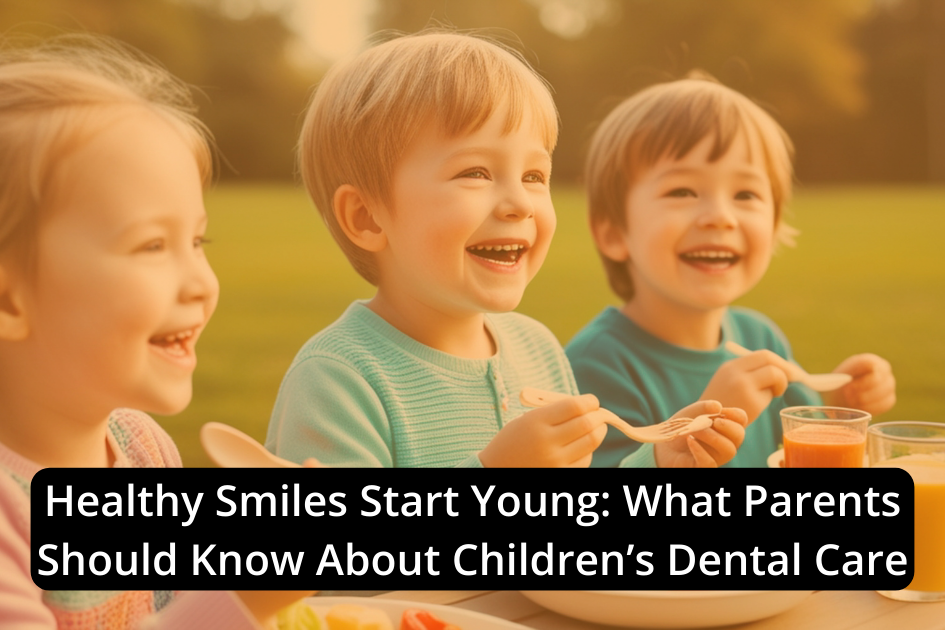
If we think baby teeth don’t matter because they’ll fall out anyway, we’re not alone, but they set the stage for chewing, speech, and how adult teeth line up. We can start dental visits by age one or within six months of the first tooth, and keep them calm and quick. With simple brushing, smart snacks, and early checks for habits or crowding, we can prevent most problems before they start, so what should we watch for first?
When Should Children Start Seeing the Dentist?
One simple rule makes it easy: we recommend a child’s first dental visit by their first birthday or within six months of the first tooth popping in. Early checkups help us spot tiny issues before they become big ones and give you simple, age-right tips for brushing, fluoride, and snacks. At that first visit, we’ll keep it quick and gentle: a look at teeth and gums, a growth check, and plenty of time for your questions. Kid-friendly first impressions matter, and they can lower dental anxiety for everyone. We’ll help your child feel safe.
How Baby Teeth Impact Long-Term Oral Health
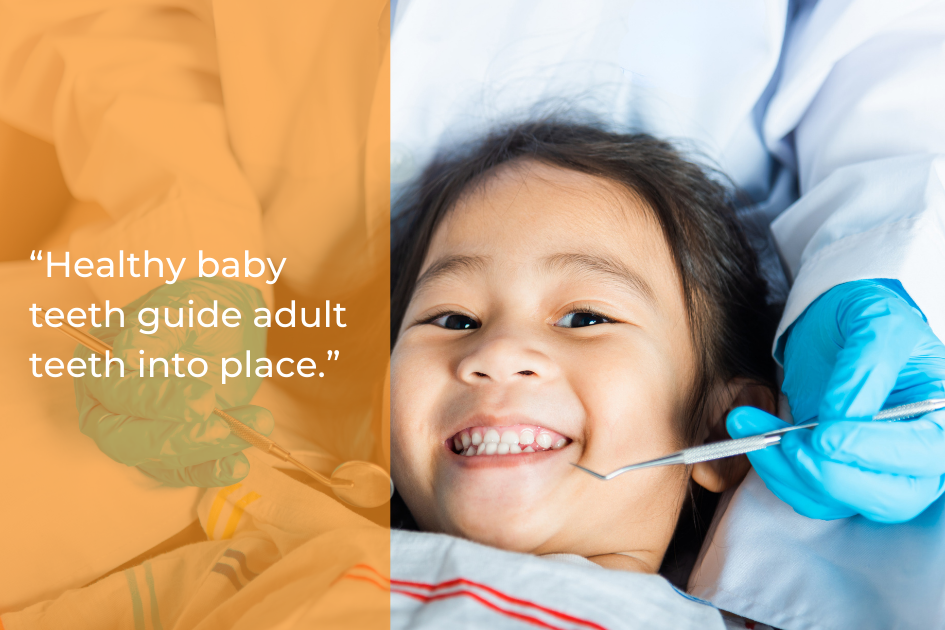
Although baby teeth don’t last forever, they do important long-term work: they help kids chew comfortably, form clear speech sounds, and hold the right space for adult teeth to come in. When we protect them, we’re protecting your child’s long-term health, too. If cavities are ignored, infection and pain can make eating, sleeping, and learning tougher, and early tooth loss may crowd incoming adult teeth. Let’s keep things simple and positive:
- Healthy baby teeth guide adult teeth into place
- Strong teeth support confident talking and smiling
- Early care prevents small spots from becoming big problems
Teaching Kids Proper Brushing and Flossing Habits
When we start brushing and flossing early, we turn daily dental care into a simple habit that helps prevent cavities and keeps smiles comfortable. For babies, we’ll wipe gums and brush with a tiny smear of fluoride toothpaste when teeth appear. By ages 3–6, we’ll use a pea-sized amount and practice gentle, circular brushing techniques for two minutes. Kids still need our help until they can tie their shoes well, usually around age 7–8. Make it fun: pick a song, use a timer, and let them choose a toothbrush. Add flossing tips: slide, hug, and move between teeth.
Preventing Cavities in Children and Teens
Strong brushing and flossing habits set the stage, and now we can use them to stop cavities before they start. Cavities form when sticky plaque germs turn leftover sugars into acid that weakens enamel over time. For smart cavity prevention, we’ll add extra protection that feels easy and calm.
- Use fluoride toothpaste; ask us about fluoride benefits from varnish at visits.
- Protect back teeth with sealants, like tiny raincoats that block germs from grooves.
- Keep up with preventive cleanings and exams so we can spot early trouble and fix it fast.
We’ll cheer you on at every checkup.
Nutrition and Its Effect on Children’s Teeth
Because what kids sip and snack on all day touches their teeth again and again, nutrition plays a big role in keeping smiles healthy and cavity-free. We can help you choose tooth-friendly foods like crunchy apples, carrots, cheese, yogurt, nuts, and water or milk. Sugary drinks, sticky candies, and acidic juices or sports drinks keep feeding germs and can soften enamel, especially when sipped slowly. Let’s aim for nutritious snacks instead: fresh fruit, veggies with hummus, or whole-grain crackers. Pair smart choices with dental hygiene, brush, floss, and rinse with water after snacks.
Common Dental Issues in Children and How to Address Them
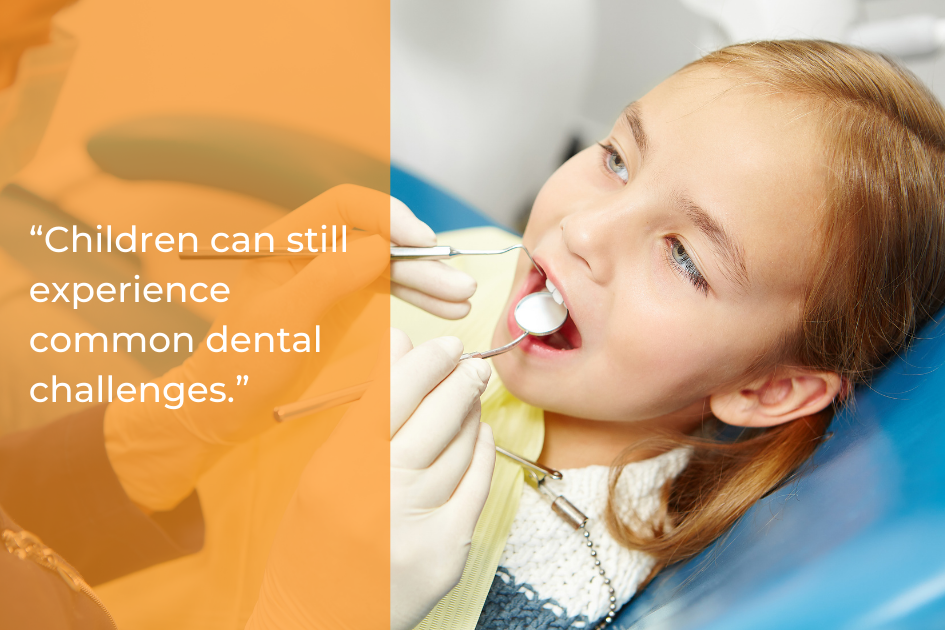
Even with good brushing and healthy snacks, children can still experience common dental challenges as they grow. Active play, changing routines, and developing habits can sometimes lead to sore spots, chipped teeth, or irritated gums. That’s why it’s important to stay aware of small changes and address them early.
Some of the most common concerns we see include tooth decay, early crowding, thumb-sucking habits, and enamel wear. Cavities often begin as small white spots and may not cause discomfort right away, which makes regular dental checkups especially important. Crowded or overlapping teeth can make brushing and flossing more difficult, increasing the risk of plaque buildup. Habits like thumb sucking or extended pacifier use can gradually affect tooth alignment and bite development. Enamel wear may occur from grinding, acidic drinks, or aggressive brushing.
At home, consistent routines make a big difference. Encourage your child to brush gently along the gumline twice a day, floss nightly with kid-friendly tools, and drink plenty of water. During routine visits, we monitor growth and development closely, apply fluoride when appropriate, and help guide you on next steps so small concerns never turn into bigger problems.
Helping Children Feel Comfortable at the Dentist
When kids feel nervous about the dentist, we can turn that worry into confidence with a gentle routine and a calm, friendly visit. To reduce dental anxiety, we’ll keep things simple and predictable, and we’ll talk about the dentist like a helper, not a scary surprise. Before the appointment, we can:
- Read a fun tooth story and practice “open wide” at home
- Schedule when your child’s rested, fed, and not rushed
- Bring a comfort item and celebrate brave behavior, not “perfect” behavior
At the visit, we’ll explain each step, go slow, and build positive experiences.
Orthodontic Awareness and Early Alignment Monitoring
Regular dental visits give us an important opportunity to monitor how your child’s smile develops over time. During routine exams at Family Dental of Teravista, we gently evaluate how baby teeth are making room for adult teeth, how spacing is changing, and whether the jaws are growing in balance. These early observations help us understand what is normal for your child and what may need closer attention in the future.
If we notice minor alignment concerns, we typically monitor them over time rather than rushing into treatment. We explain what we’re seeing in clear, parent-friendly terms, so you always feel informed and confident about your child’s development. Early awareness allows us to plan thoughtfully and avoid unnecessary surprises later.
As children grow into their teen years, alignment issues such as crowding, gaps, or bite irregularities may become more noticeable. This is often the stage when orthodontic options like Invisalign can be considered. Early evaluations help determine the right timing and approach, making future treatment more efficient and comfortable.
By keeping track of dental growth from an early age, we can guide development, support healthy function, and help your child maintain a confident smile.
How Family Dental of Teravista Supports Growing Smiles
At Family Dental of Teravista in Georgetown, TX, we are committed to supporting your child’s oral health from the first visit through adulthood. Our team takes a personalized approach to care, recognizing that every child develops at a different pace and has unique needs.
We focus on creating positive dental experiences, building trust, and encouraging lifelong healthy habits. Through gentle preventive care, clear communication, and consistent monitoring, we help families feel confident about their children’s smiles at every stage. Whether your child needs routine cleanings, guidance on brushing, or early alignment evaluations, we are here to provide steady, compassionate support.
Our goal is simple: to partner with parents in raising healthy, confident kids who feel comfortable at the dentist and proud of their smiles.
Conclusion
We’ve got this! Healthy smiles really can start early. If we book that first dental visit by age one, we’re setting our kids up for success. Here’s a surprising stat: nearly 1 in 5 children ages 5–11 has at least one untreated cavity, but most decay is preventable with brushing, flossing, smart snacks, fluoride, and sealants. When we make dental care feel routine and calm, our kids learn it’s no big deal, just part of growing up.
Ready to get started? Schedule your child’s dental checkup with Family Dental of Teravista in Georgetown, TX, this week and ask about fluoride treatments and sealants to help keep little teeth protected.